









5
Results for voice box for toys
Discover the perfect voice box for toys to bring your collectible figures and playsets to life with realistic sound effects, interactive features, and immersive play experiences.
The keyword voice box for toys reflects a growing demand among collectors, parents, and educators for interactive, audio-enhanced toys that elevate playtime and engagement. Whether you're enhancing a dollhouse scene, upgrading a blind box figure, or creating a dynamic play environment, a voice box adds a layer of realism and fun that standard static toys lack. These compact audio modules are engineered to fit seamlessly into various toy types—ranging from miniature transporters and fantasy figures to plush mystery boxes—delivering voice clips, sound effects, or even pre-recorded dialogues on demand.
When selecting a voice box for your toy collection, consider the following key specifications to ensure compatibility and longevity:
For users of blind box figures like the MIMI-Leisurely Elf Series or Baby Three Fairy Tale World plush toys, adding a voice box can transform a static collectible into an interactive character. Simply insert the module into the figure’s hollow body, connect the speaker to the designated port, and power on. Many models feature motion-activated triggers or button-activated playback, allowing kids and collectors to enjoy spontaneous dialogue or sound effects.
To avoid common pitfalls:
- Never expose the voice box to fire or high heat—this can damage internal components.
- Avoid using in toys intended for children under 14 years old unless the module is specifically rated for younger users.
- Always use original packaging and store spare modules in dry, cool environments to extend lifespan.
With the right voice box, your toys aren’t just displayed—they come alive. Whether you're building a 1/12 scale dollhouse transport scene or enhancing a kawaii anime figure, audio integration brings imagination to life.
The keyword voice box for toys reflects a growing demand among collectors, parents, and educators for interactive, audio-enhanced toys that elevate playtime and engagement. Whether you're enhancing a dollhouse scene, upgrading a blind box figure, or creating a dynamic play environment, a voice box adds a layer of realism and fun that standard static toys lack. These compact audio modules are engineered to fit seamlessly into various toy types—ranging from miniature transporters and fantasy figures to plush mystery boxes—delivering voice clips, sound effects, or even pre-recorded dialogues on demand.
- What is a Voice Box for Toys?
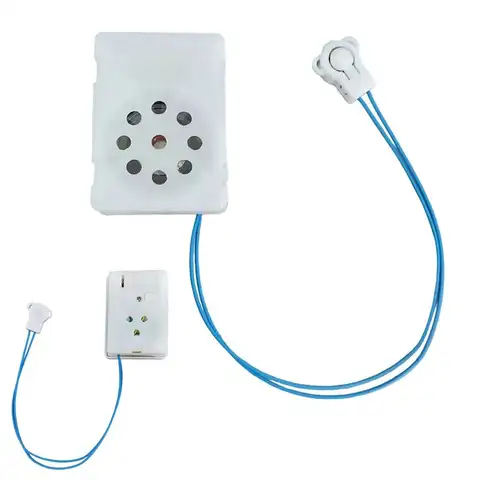
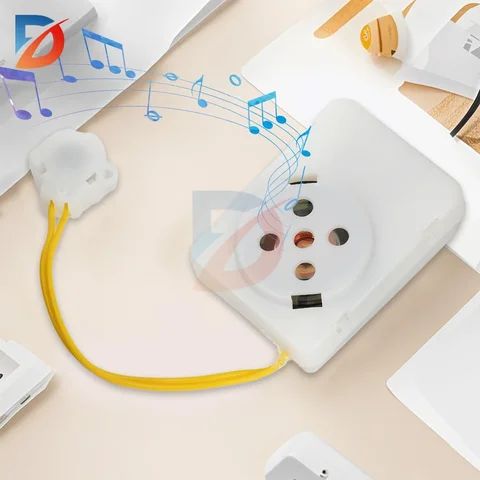
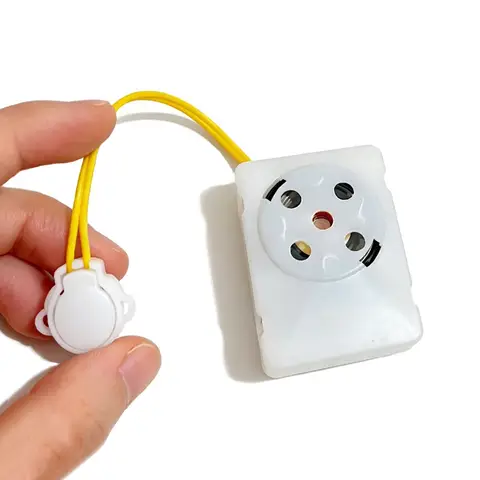
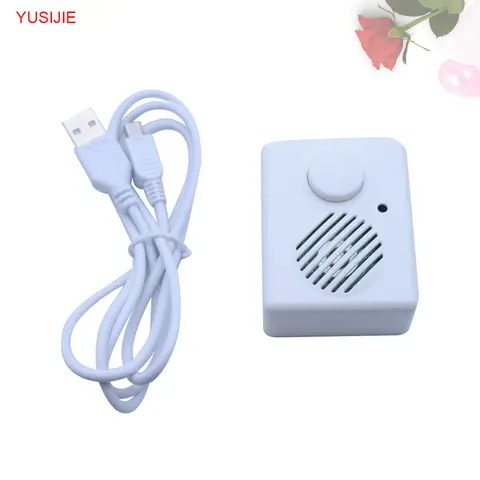
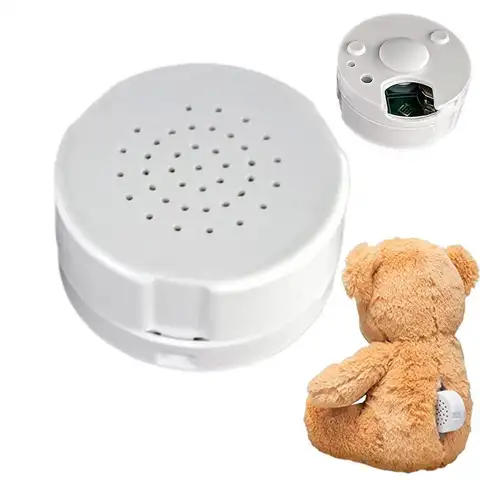
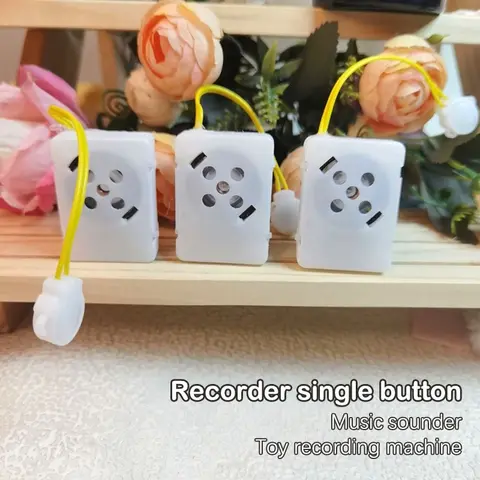
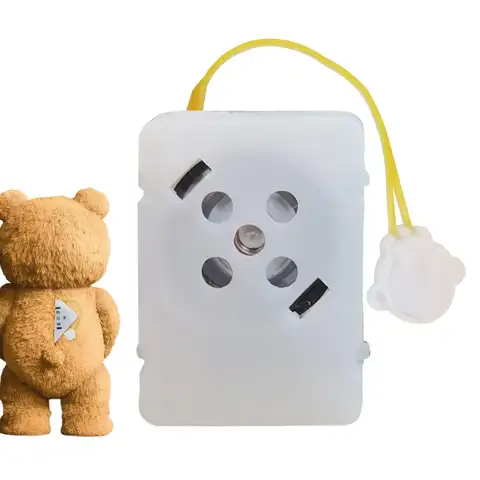
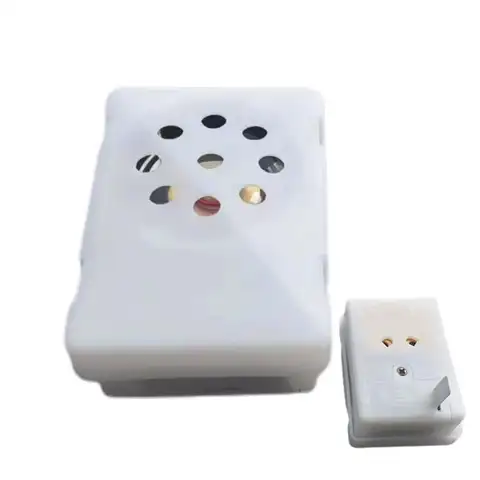
- A voice box for toys is a small electronic module that integrates with toy figures or playsets to produce pre-programmed sounds, such as speech, laughter, music, or environmental effects. It typically includes a microcontroller, speaker, and memory chip, and is powered by a small battery (often CR2032). These modules are designed for easy installation and compatibility with a wide range of toy materials, including plastic, resin, and wood.
When selecting a voice box for your toy collection, consider the following key specifications to ensure compatibility and longevity:
- Check the power source: Most voice boxes use a 3V CR2032 battery. Confirm that your toy’s internal space can accommodate the battery size and that the module’s voltage matches your toy’s circuitry.
- Verify size and shape: Voice boxes come in various dimensions (e.g., 20mm x 15mm x 8mm). Measure your toy’s cavity to ensure a snug fit without compromising structural integrity.
- Test audio quality and volume: Look for modules with clear, crisp audio output. Some models offer adjustable volume or multiple sound modes, ideal for different play environments.
- Ensure CE certification: Opt for voice boxes with CE certification (as seen in products from Mainland China), which confirms compliance with European safety, health, and environmental standards.
- Consider durability: Choose modules with shock-resistant casing and waterproof coatings if the toy will be used in high-traffic or outdoor play settings.
For users of blind box figures like the MIMI-Leisurely Elf Series or Baby Three Fairy Tale World plush toys, adding a voice box can transform a static collectible into an interactive character. Simply insert the module into the figure’s hollow body, connect the speaker to the designated port, and power on. Many models feature motion-activated triggers or button-activated playback, allowing kids and collectors to enjoy spontaneous dialogue or sound effects.
To avoid common pitfalls:
- Never expose the voice box to fire or high heat—this can damage internal components.
- Avoid using in toys intended for children under 14 years old unless the module is specifically rated for younger users.
- Always use original packaging and store spare modules in dry, cool environments to extend lifespan.
With the right voice box, your toys aren’t just displayed—they come alive. Whether you're building a 1/12 scale dollhouse transport scene or enhancing a kawaii anime figure, audio integration brings imagination to life.