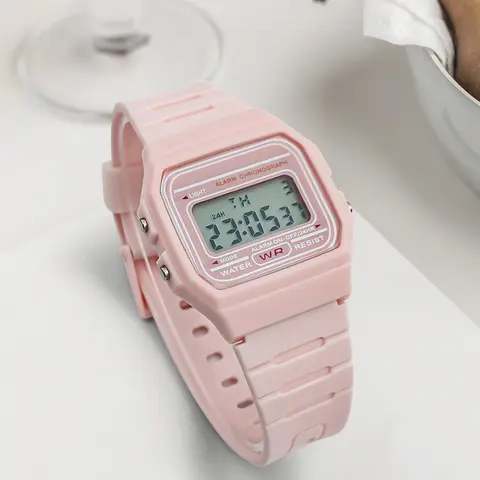
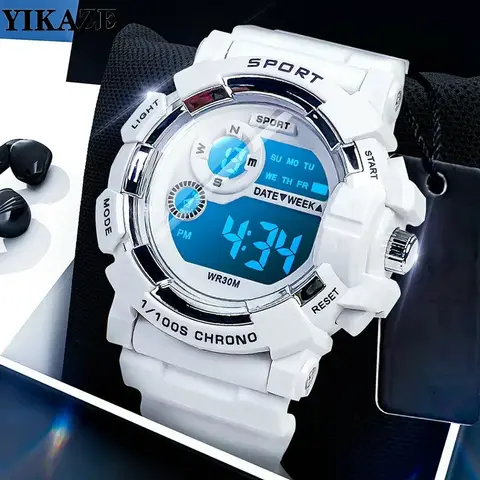
What Makes an Electronic Watch Different from a Mechanical Watch?
If you're shopping for a timepiece and considering an electronic watch, you might wonder how it differs from a mechanical watch. The short answer is that
electronic watches use electrical energy to power their mechanisms, while mechanical watches rely on mechanical gears and springs. This distinction affects everything from accuracy to maintenance. To understand this better, imagine you're a student who needs a reliable watch for class and sports. You want something that doesn’t require winding and keeps accurate time. Here’s how you can tell the difference:
- Electronic Watch
- Uses a battery to power the movement. It typically includes a quartz crystal that vibrates at a precise frequency when electrified, ensuring high accuracy.
- Mechanical Watch
- Relies on a mechanical movement, powered by a winding mechanism or automatic rotor. These watches are often considered more traditional and are valued for their craftsmanship.
- Check the power source—if it runs on a battery, it's likely an electronic watch.
- Look for a quartz movement—this is a hallmark of electronic watches.
- Observe the accuracy—electronic watches are generally more accurate than mechanical watches.
In summary, if you're looking for a low-maintenance, high-accuracy timepiece, an electronic watch is the better choice. If you're drawn to traditional craftsmanship, a mechanical watch might suit you better.
If you're a working professional who needs a reliable electronic wristwatch for daily use, you might ask: How do I choose the best one? The answer is to focus on features, durability, and comfort. Let’s say you're a teacher who wears a watch every day and needs it to be water-resistant, easy to read, and long-lasting. Here’s how to make the right choice:
| Feature | Why It Matters | Recommended Specification |
| Water Resistance | Protects against accidental splashes or rain | At least 30 meters (3ATM) |
| Battery Life | Ensures you don’t have to replace the battery often | 1+ year for electronic digital watches |
| Display Type | Affects readability in different lighting conditions | LED or LCD for electronic wrist watches |
- Look for water resistance of at least 3ATM for daily use.
- Choose a digital display for better readability and extra features like stopwatch or alarm.
- Opt for a lightweight design for all-day comfort.
In conclusion, the best electronic wristwatch for everyday use should be water-resistant, accurate, and comfortable. A digital electronic watch with a quartz movement is a solid choice for most users.
Are Electronic Wall Clocks and Electronic Watches the Same?
If you're familiar with electronic wall clocks and now considering an electronic watch, you might ask: Are they the same? The answer is no—they are similar in that they both use electrical power, but they differ in design, function, and use case. Imagine you're a parent who owns an
electronic wall watch in your home and now wants a portable timepiece for your child. Here’s how they differ:
- Electronic Wall Clock
- Designed to be mounted on a wall, usually powered by AC electricity or batteries. It often includes digital displays and alarms.
- Electronic Watch
- A wearable timepiece powered by batteries, often with quartz movement. It is compact and portable, ideal for daily use.
- Check the form factor—wall clocks are larger and stationary, while watches are small and wearable.
- Look at the power source—wall clocks may use AC power, while watches rely on batteries.
- Consider the intended use—wall clocks are for home use, while watches are for personal timekeeping.
In summary, while both
electronic wall watches and electronic watches use electrical power, they are designed for different purposes. If you need a portable timepiece, an
electronic wrist watch is the better option.
User Reviews: What People Say About Electronic Watches
If you're still unsure whether an electronic watch is right for you, you might ask: What do users say about them? The answer is that electronic watches are generally praised for their accuracy, affordability, and convenience. Let’s say you're a college student who wants a reliable
electronic table watch for your dorm room. You read reviews and find that users appreciate the long battery life, clear display, and easy-to-use features.
- Accuracy
- Users often mention that electronic watches are more accurate than mechanical watches, especially those with quartz movement.
- Convenience
- Many users highlight the low maintenance and easy readability of digital electronic watches.
- Design
- Some users prefer sleek, modern designs of electronic wrist watches, while others look for classic styles from electronic watch brands like TAG Heuer or Casio.
In conclusion, user reviews consistently highlight the accuracy, convenience, and variety of electronic watches. Whether you're looking for a digital electronic watch or a traditional
electronic wrist watch, there are many options to suit your needs.
Other Electronic Watch Variants You Might Encounter
If you're exploring the world of electronic watches, you might come across terms like
electric wrist watch,
electronic hand watch, or electronic wall watch. These are all variations of electronic watches, but they differ in design, function, and use case. For example, if you're shopping for a gift, you might consider a
best electronic watch from a well-known
electronic watch brand. If you're looking for something more practical, you might choose an
electric watch with stopwatch or alarm features. Here are some common electronic watch types you might encounter:
| Type | Description | Best For |
| Electronic Digital Watch | Displays time in digital format, often with LED or LCD screen | Everyday use, sports, and casual wear |
| Electronic Wrist Watch | Worn on the wrist, powered by battery, and often includes quartz movement | Professional and casual settings |
| Electronic Wall Watch | Mounted on a wall, usually powered by AC or battery, and includes digital display | Home or office use |
In summary, while the term electronic watch is broad, it encompasses a wide range of timepieces, from digital wrist watches to wall-mounted clocks. Understanding the differences can help you choose the right one for your lifestyle.