






Results for cutter side
The term cutter side refers to the functional cutting edge or working surface of a cutting tool, particularly in milling, punching, and shaping applications. Whether used in paper crafting, metal fabrication, or woodworking, the cutter side determines precision, durability, and performance. This page offers a curated selection of high-quality cutter side tools designed for professional and DIY use across multiple industries.
When users search for cutter side, they are typically seeking tools with reliable cutting edges that deliver clean, accurate results across various materials. The intent often includes finding durable, replaceable, or reversible cutters suitable for specific tasks—be it rounding corners, trimming metal, or shaping wood. These tools are essential for both industrial applications and hobbyist projects, where precision and longevity are critical.
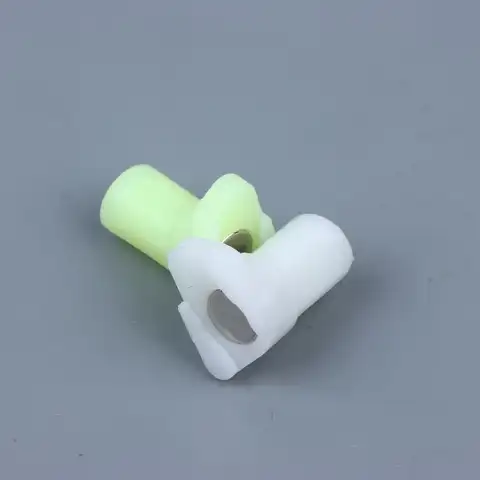
For users working with paper, cardstock, or photos, the Circle Cutter Button Maker offers a compact, portable solution with multiple color options (Black, Green, Pink, Purple, White) and a 16.2 x 14.7 cm package size. Its 100000015 measurement unit ensures compatibility with standard craft setups. Ideal for crafting, scrapbooking, or photo editing, this tool features a portable paper cutter design with a corner round machine function for smooth, consistent curves.
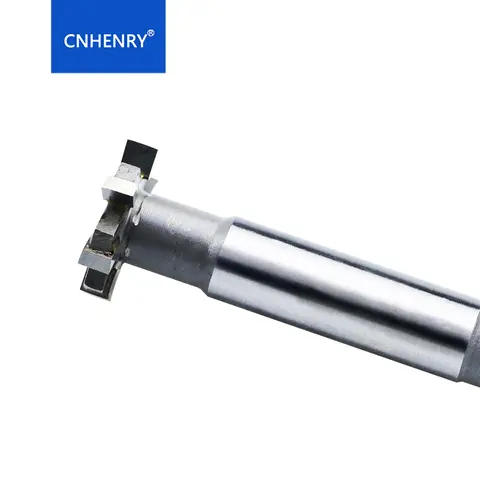
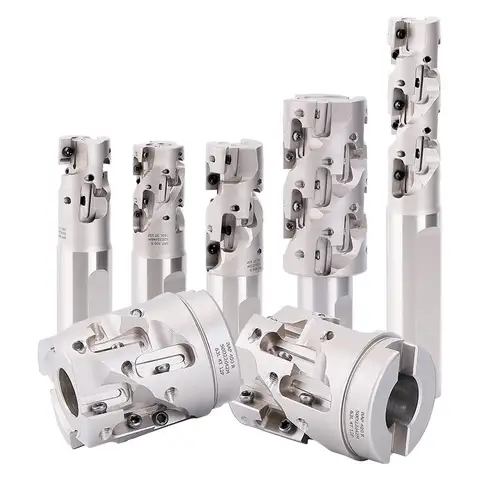
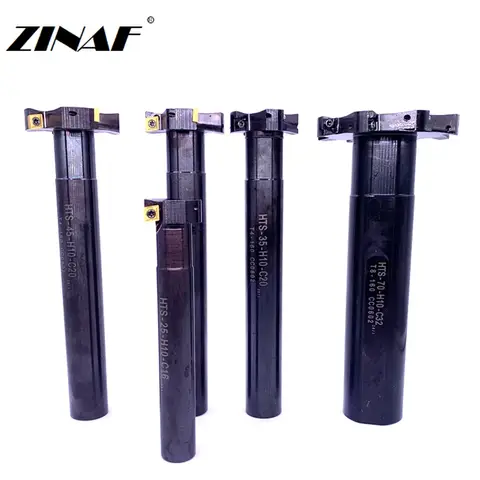
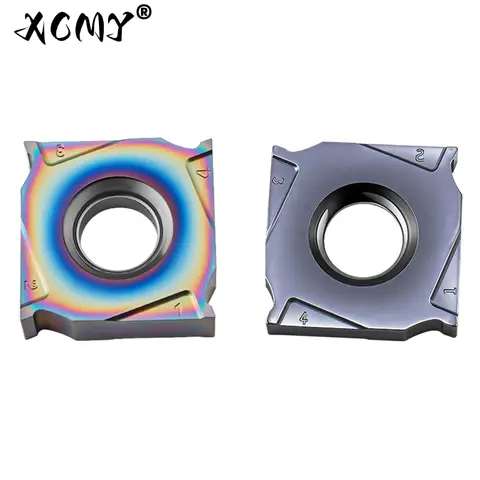
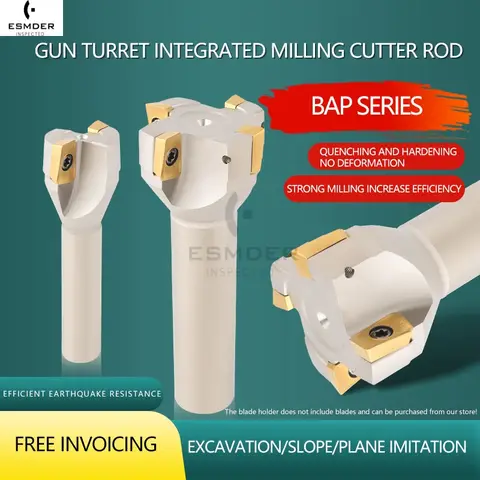
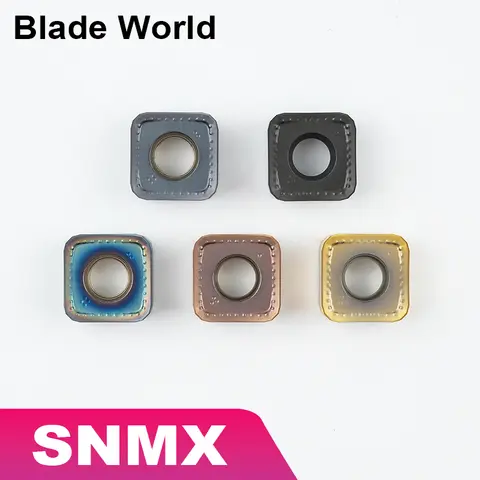
In metalworking, the Bevelling Cutter Blade T+C Facing And Trimming Flat Machine Cutting Inserts is engineered for steel and stainless steel applications. With dimensions ranging from 9.5x6.5x4.5mm to 21x8.5x6mm and a 10x9x3.5mm cutting edge, it delivers precision in facing and trimming. These inserts are ideal for CNC machines and require minimal maintenance. Use high-concerned chemical-free materials for safer handling.
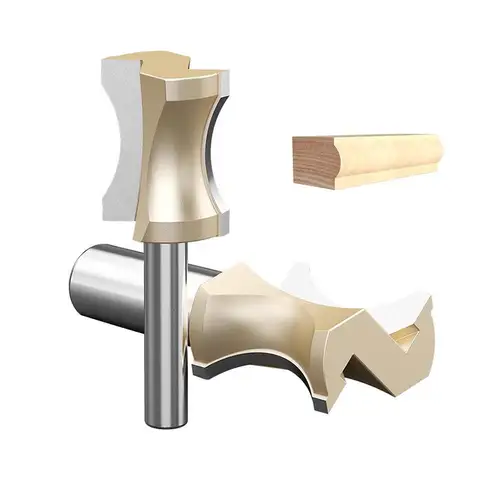
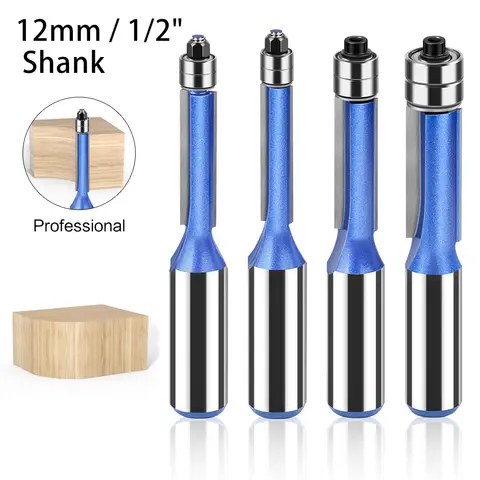
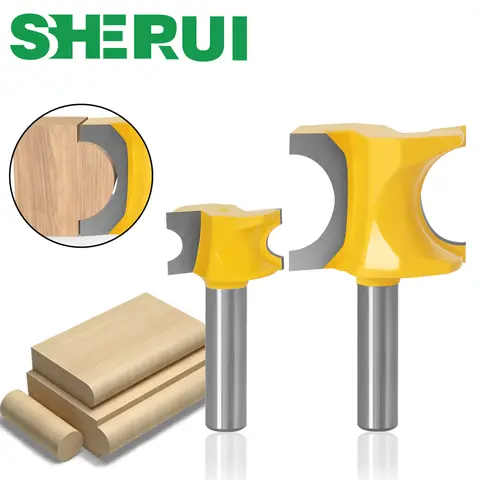
For woodworking, the SHERUI Drawer Front Joint Router Bit features a 12.7mm cutting edge length and is made from tungsten cobalt alloy—a material known for heat resistance and wear durability. Its 1/2 or 12mm shank ensures secure fit in most routers. The reversible design allows for extended use, reducing long-term costs.
Each product listed is manufactured in Mainland China with consistent quality control, ensuring reliability across repeated use. Whether you're a professional or a hobbyist, selecting the right cutter side enhances efficiency, accuracy, and safety.
When users search for cutter side, they are typically seeking tools with reliable cutting edges that deliver clean, accurate results across various materials. The intent often includes finding durable, replaceable, or reversible cutters suitable for specific tasks—be it rounding corners, trimming metal, or shaping wood. These tools are essential for both industrial applications and hobbyist projects, where precision and longevity are critical.
- Cutter Side
- The active portion of a cutting tool responsible for material removal. It includes the blade edge, cutting inserts, or router bit that engages with the workpiece during operation.
- End Mill
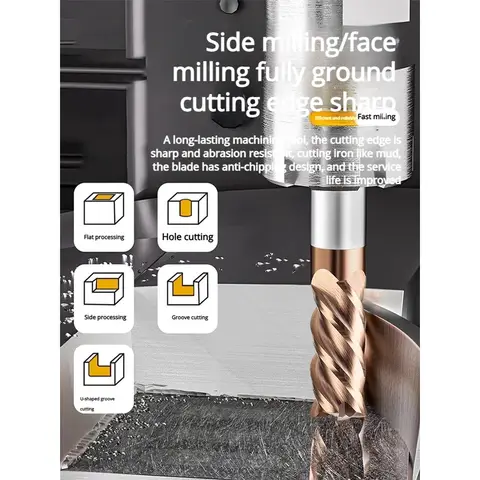
- A type of milling cutter used to remove material from a workpiece by advancing along its axis. Commonly used in woodworking and metalworking.
- Reversible Cutter
- A cutting tool designed with dual cutting edges, allowing it to be flipped and used from the opposite side, extending tool life and reducing replacement costs.
For users working with paper, cardstock, or photos, the Circle Cutter Button Maker offers a compact, portable solution with multiple color options (Black, Green, Pink, Purple, White) and a 16.2 x 14.7 cm package size. Its 100000015 measurement unit ensures compatibility with standard craft setups. Ideal for crafting, scrapbooking, or photo editing, this tool features a portable paper cutter design with a corner round machine function for smooth, consistent curves.
In metalworking, the Bevelling Cutter Blade T+C Facing And Trimming Flat Machine Cutting Inserts is engineered for steel and stainless steel applications. With dimensions ranging from 9.5x6.5x4.5mm to 21x8.5x6mm and a 10x9x3.5mm cutting edge, it delivers precision in facing and trimming. These inserts are ideal for CNC machines and require minimal maintenance. Use high-concerned chemical-free materials for safer handling.
For woodworking, the SHERUI Drawer Front Joint Router Bit features a 12.7mm cutting edge length and is made from tungsten cobalt alloy—a material known for heat resistance and wear durability. Its 1/2 or 12mm shank ensures secure fit in most routers. The reversible design allows for extended use, reducing long-term costs.
- Identify your material (paper, metal, wood) to select the correct cutter side.
- Check the cutting edge diameter and length to match your machine’s specifications.
- Choose reversible or replaceable cutters to maximize tool lifespan.
- Verify the shank size (1/2 or 12mm) for compatibility with your equipment.
- Opt for RoHS-certified tools for safer, environmentally responsible use.
Each product listed is manufactured in Mainland China with consistent quality control, ensuring reliability across repeated use. Whether you're a professional or a hobbyist, selecting the right cutter side enhances efficiency, accuracy, and safety.