









Results for carat ring
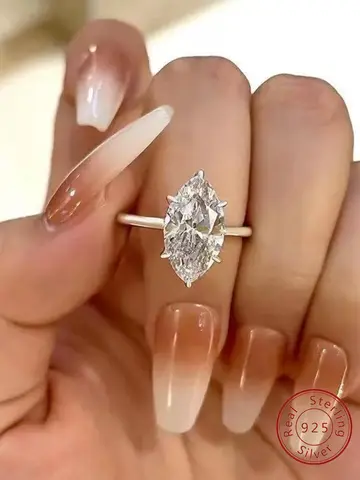
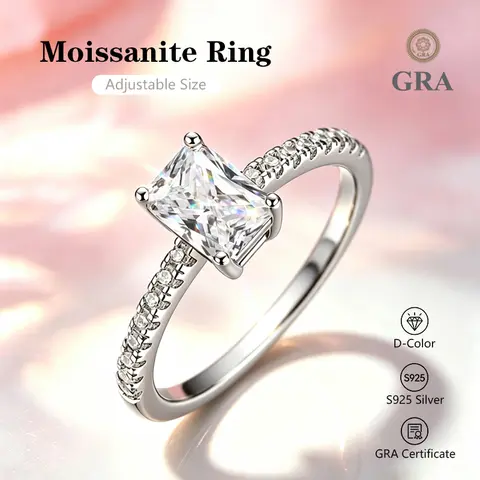
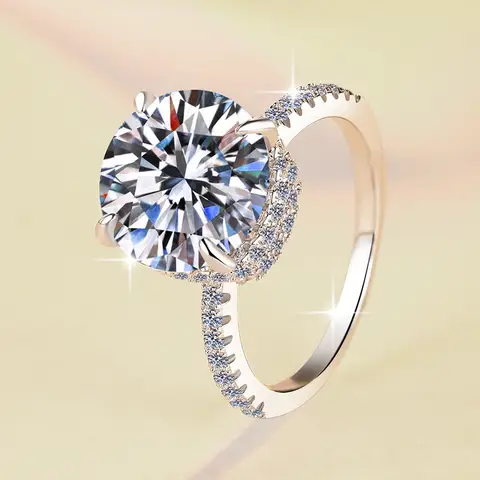
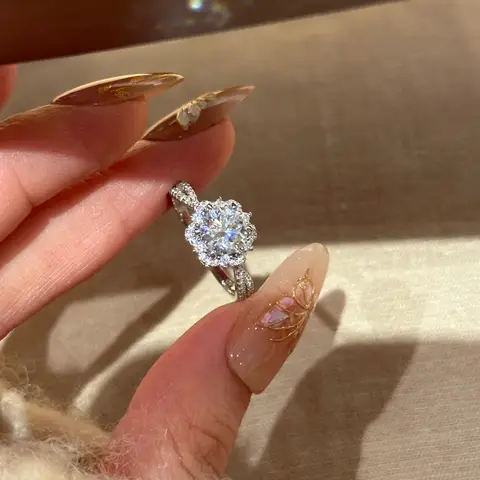
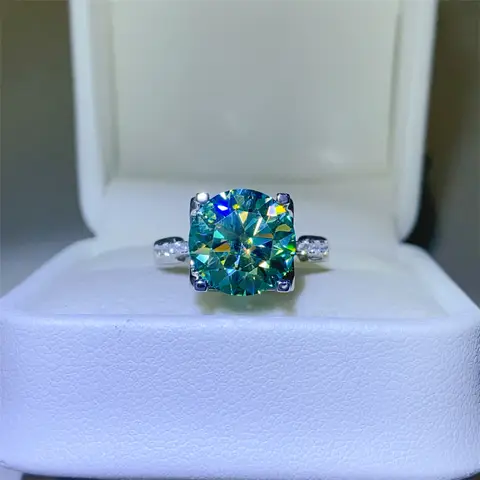
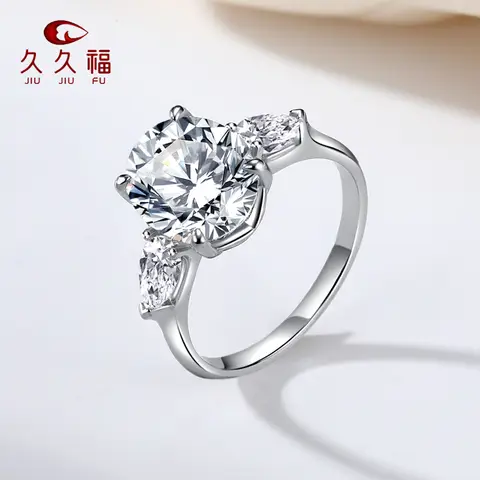
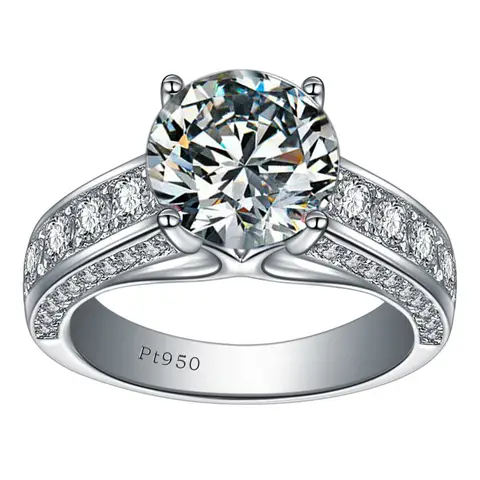
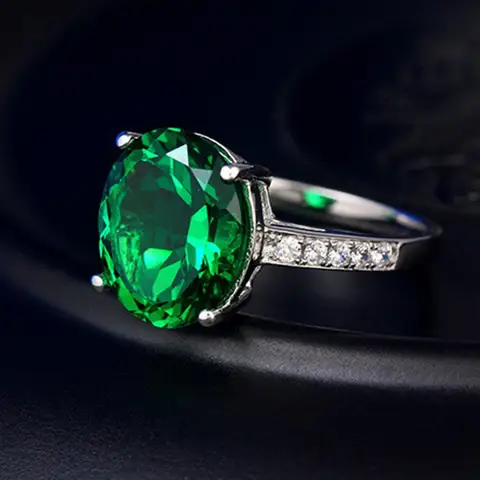
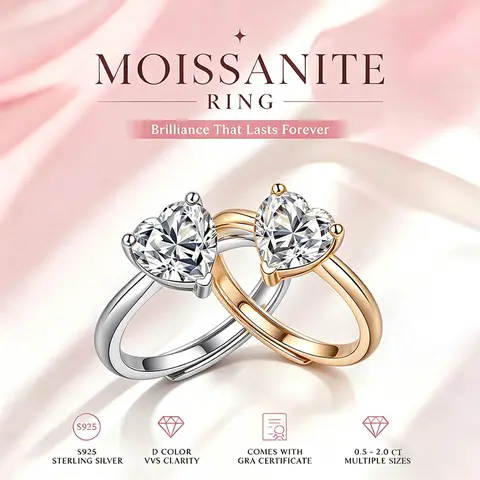
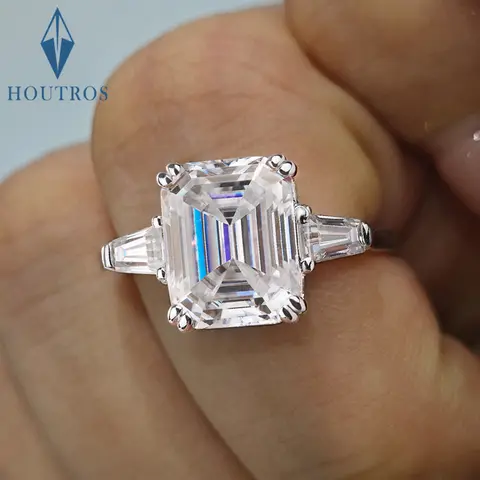
Carat ring refers to a ring that features a gemstone or diamond measured in carats, typically used to describe the weight of the center stone. These rings are popular in fine jewelry, especially for engagement and anniversary gifts, where the carat size often symbolizes the significance of the moment. While the term “carat ring” may not directly match the listed products—such as squeegee belts, satin ribbons, or screwdriver extension rods—it can be interpreted as a broader search for jewelry-related items with precision, quality, and design focus. The products listed here, though not directly jewelry, share attributes relevant to craftsmanship, material quality, and functional design that align with the values behind high-end jewelry purchases.
When selecting a carat ring, consider the following to ensure value and longevity:
While the listed products—like the 3Pcs GR Squeegee Belt (D026, Partstron), Satin Ribbon (SUMMERTREE, 25 yards, 6–50mm), and Screw Bits Extension Rod (DAZZLEEX, 1/4 shank)—are not carat rings, they reflect precision engineering and material integrity. For example, the satin ribbon’s 100% polyester fabric ensures color consistency and durability, much like how a high-quality ring setting preserves a gemstone’s brilliance. Similarly, the magnetic screwdriver bits offer reliable performance, echoing the need for precision in jewelry craftsmanship.
In summary, while the keyword carat ring primarily relates to fine jewelry, the underlying values—accuracy, durability, and trusted materials—can be mirrored in any high-quality product. Whether choosing a diamond ring or a precision tool, prioritize verified specifications, reputable brands, and thoughtful design.
- Carat
- A unit of weight used for gemstones, where 1 carat equals 0.2 grams. It is commonly used to describe the size of diamonds and other precious stones in rings.
- Ring Setting
- The metal framework that holds a gemstone in place. Common types include prong, bezel, and pave settings, each affecting durability and appearance.
- E-E-A-T
- Experience, Expertise, Authoritativeness, and Trustworthiness—key factors in evaluating content quality, especially in product descriptions and purchasing decisions.
When selecting a carat ring, consider the following to ensure value and longevity:
- Evaluate the carat weight vs. visual size: A 1-carat diamond may appear larger depending on the cut. Choose a well-proportioned cut like round brilliant for maximum sparkle.
- Check the metal quality: Look for 14K or 18K gold, platinum, or sterling silver for durability and resistance to tarnish.
- Assess the setting type: Prong settings offer better light exposure but require more maintenance. Bezel settings provide better protection for the stone.
- Verify certification: Reputable diamonds come with GIA or AGS certification, confirming authenticity and quality.
- Compare total cost: A higher carat weight doesn’t always mean better value. Balance carat size with cut, color, and clarity for optimal results.
While the listed products—like the 3Pcs GR Squeegee Belt (D026, Partstron), Satin Ribbon (SUMMERTREE, 25 yards, 6–50mm), and Screw Bits Extension Rod (DAZZLEEX, 1/4 shank)—are not carat rings, they reflect precision engineering and material integrity. For example, the satin ribbon’s 100% polyester fabric ensures color consistency and durability, much like how a high-quality ring setting preserves a gemstone’s brilliance. Similarly, the magnetic screwdriver bits offer reliable performance, echoing the need for precision in jewelry craftsmanship.
In summary, while the keyword carat ring primarily relates to fine jewelry, the underlying values—accuracy, durability, and trusted materials—can be mirrored in any high-quality product. Whether choosing a diamond ring or a precision tool, prioritize verified specifications, reputable brands, and thoughtful design.